Research
SCAN–STN CONNECTIVITY & DEEP BRAIN STIMULATION
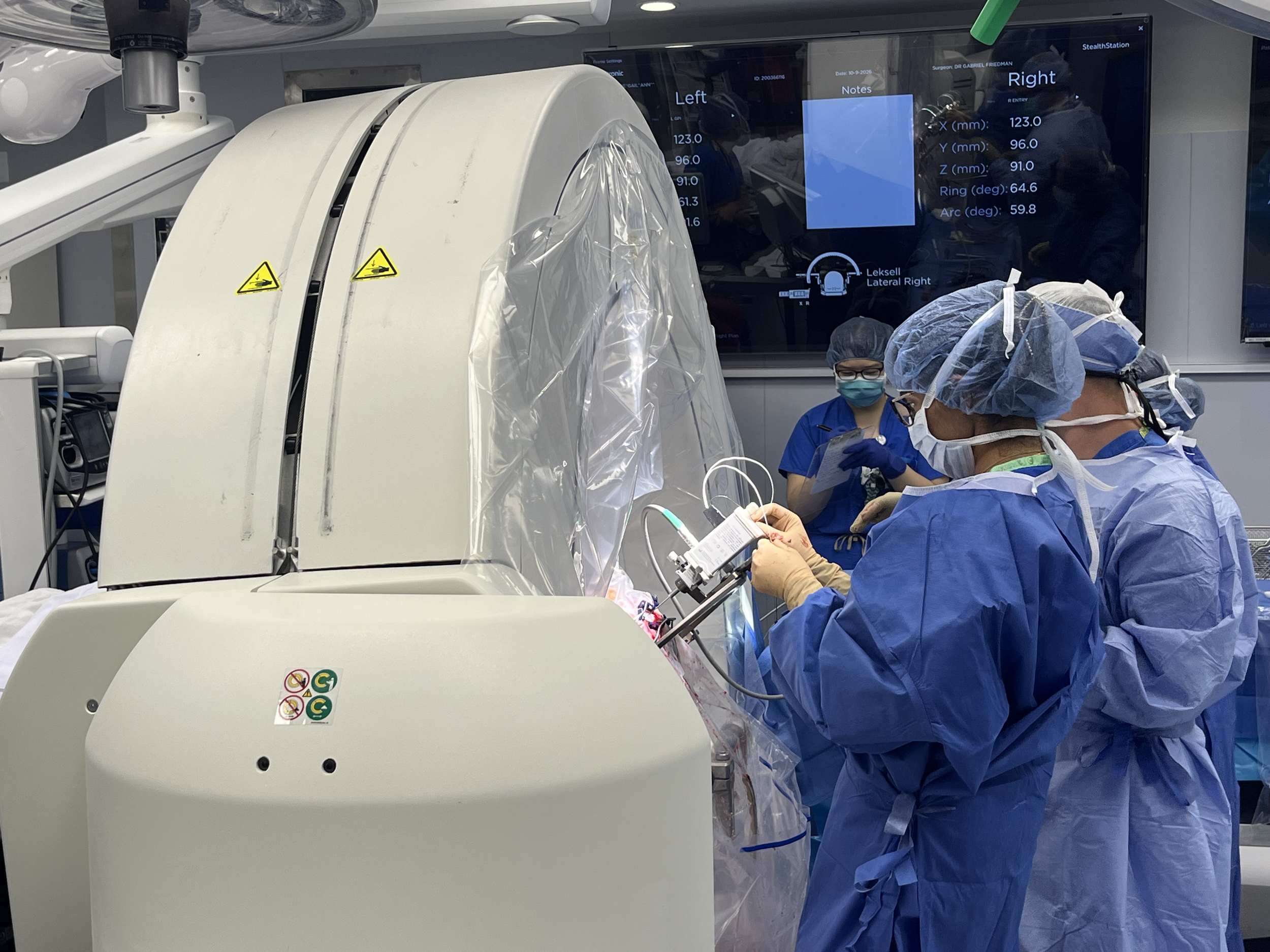
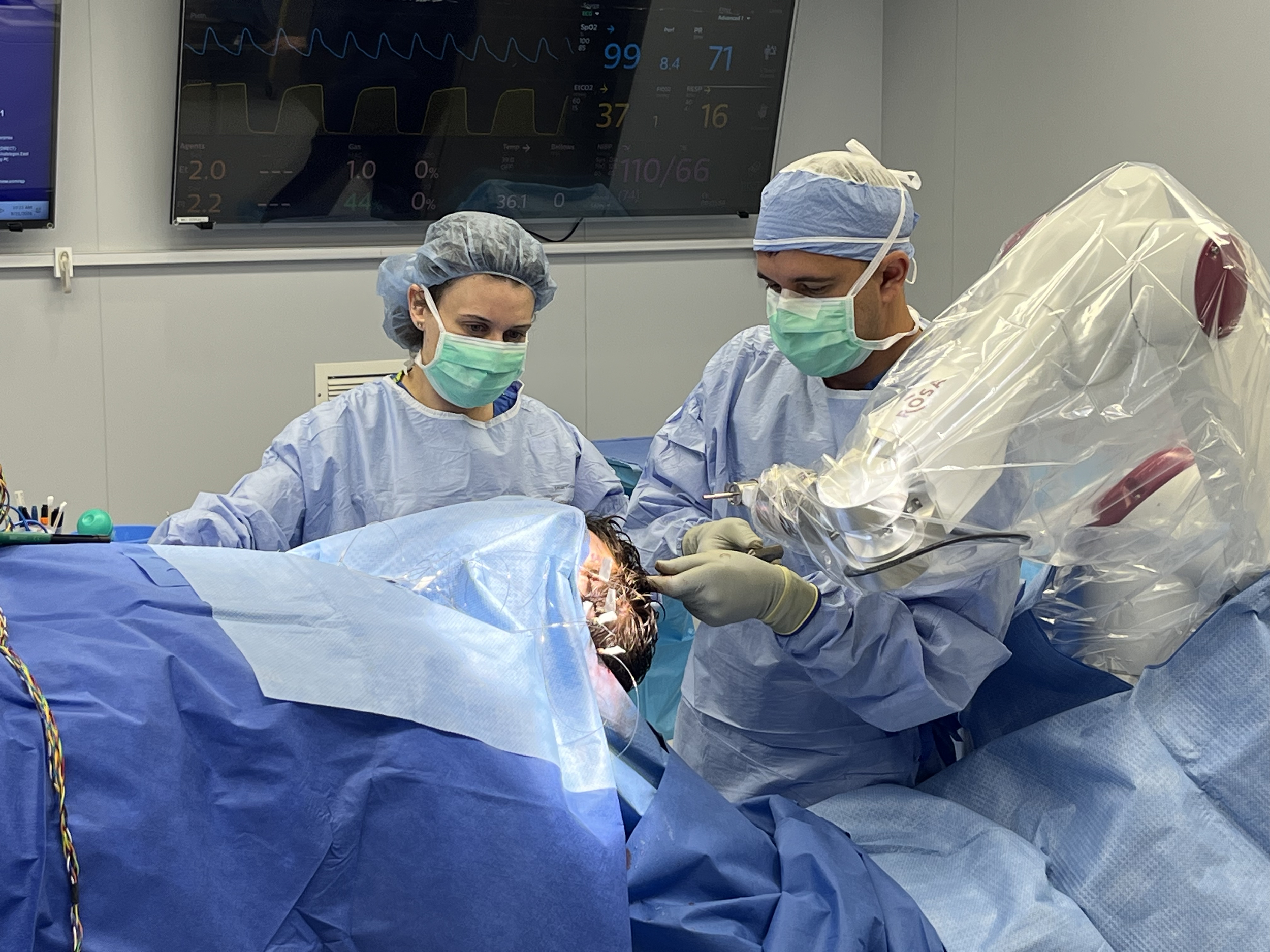
Deep brain stimulation (DBS) of the subthalamic nucleus (STN) improves motor symptoms in Parkinson's disease but can also impair cognitive control. We investigate whether individual differences in connectivity between the somato-cognitive action network (SCAN) and STN are associated with these motor and cognitive effects. By combining precision functional neuroimaging, visuomotor behavioral assessments, and DBS ON/OFF testing, we aim to characterize the contribution of cortical-subthalamic networks to stimulation outcomes and inform future approaches to personalized neuromodulation.
FREE ENERGY PRINCIPLE & SENSORIMOTOR INFERENCE
We investigate how the brain infers changes in the relationship between actions and their sensory consequences. Motivated by the Free Energy Principle and predictive processing frameworks, we use a visuomotor task in which participants encounter unexpected changes in joystick-to-cursor mappings and varying levels of visual feedback reliability. By manipulating prior experience, environmental uncertainty, and sensory information, we examine how behavior adapts to changes in hidden sensorimotor states. These experiments provide a framework for studying belief updating, sensorimotor adaptation, and the neural mechanisms of inference.
COMPUTER VISION & MACHINE LEARNING FOR MOTOR ASSESSMENT
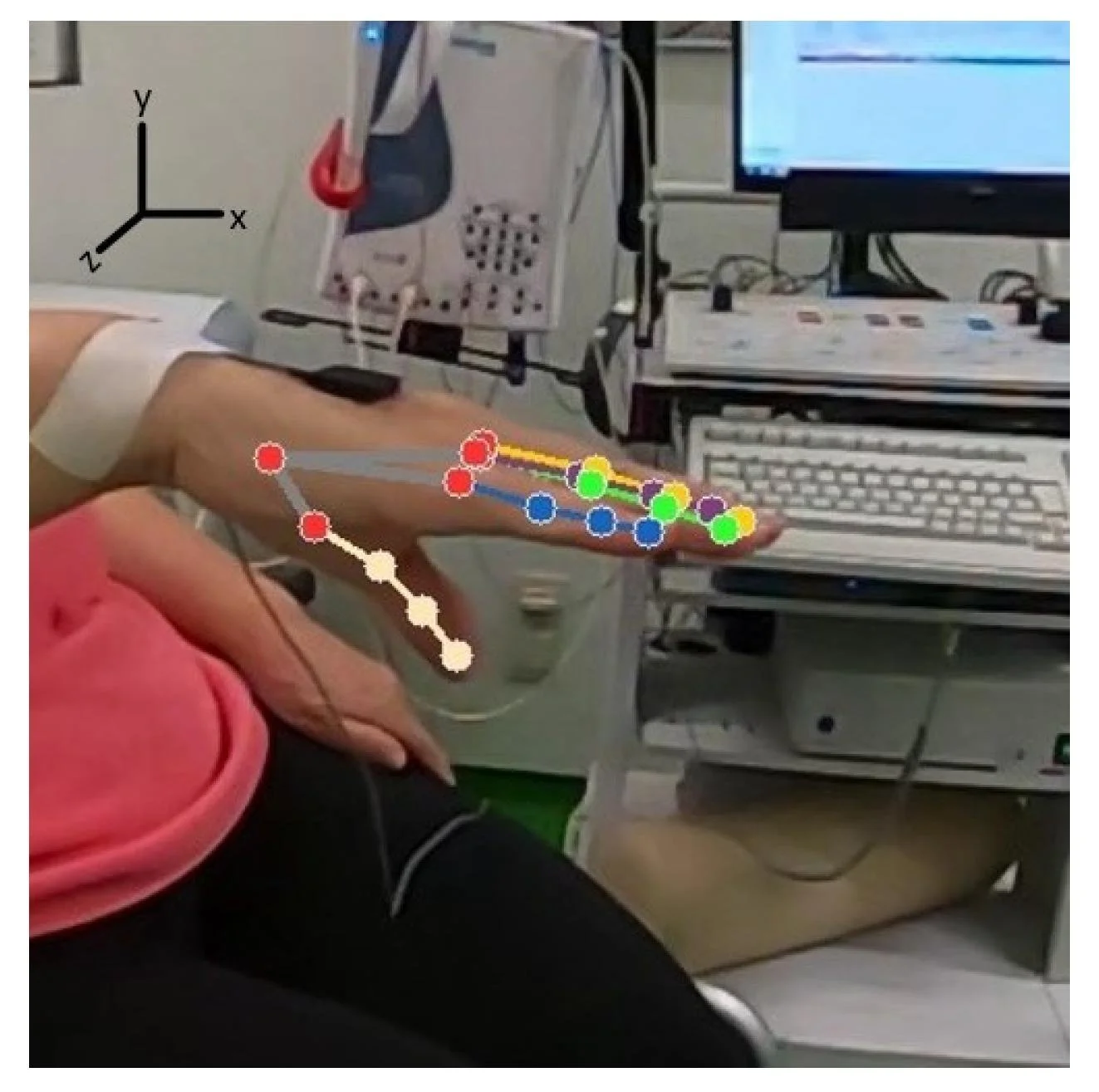
We investigate computational methods for quantifying motor behavior in patients undergoing focused ultrasound (FUS) treatment for movement disorders. Using computer vision and machine learning, this research explores the extraction of objective movement measurements from video recordings, including tremor characteristics and changes in motor performance. The goal is to develop reproducible methods for characterizing movement abnormalities and evaluating motor responses to therapeutic interventions.
ENDOSCOPIC THIRD VENTRICULOSTOMY STENT DEVELOPMENT
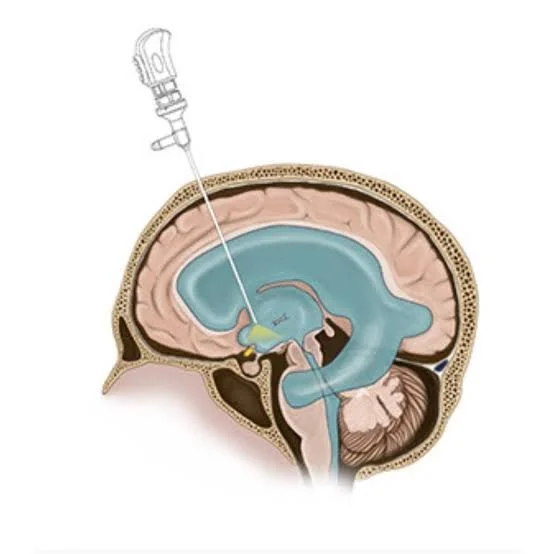
Endoscopic third ventriculostomy (ETV) treats obstructive hydrocephalus by creating an opening that allows cerebrospinal fluid to bypass an obstruction. However, closure or narrowing of this opening can result in treatment failure. This project investigates the development of an implantable stent intended to maintain long-term patency of the ventriculostomy. The research combines neurosurgical expertise with biomedical device engineering to explore approaches for reducing recurrent obstruction and the need for additional surgical intervention.